
Plan the day room by room
Mark where you want to eat breakfast, work, relax in the afternoon and sleep. Check direct sunlight, reflections from neighbouring façades, shading options and airflow. An orientation that suits a living room may not suit a bedroom or home office. A daily plan reveals whether the layout supports your life or requires constant shading, cooling and moving activities elsewhere.
Take photographs from the positions planned for the desk and bed. Record the time, weather and whether blinds were closed. A morning viewing does not establish how comfortable the living room will be in the afternoon. Request a second visit or a designer’s sunlight assessment using the plans, also allowing for another time of year.
Assess the terrace in real weather
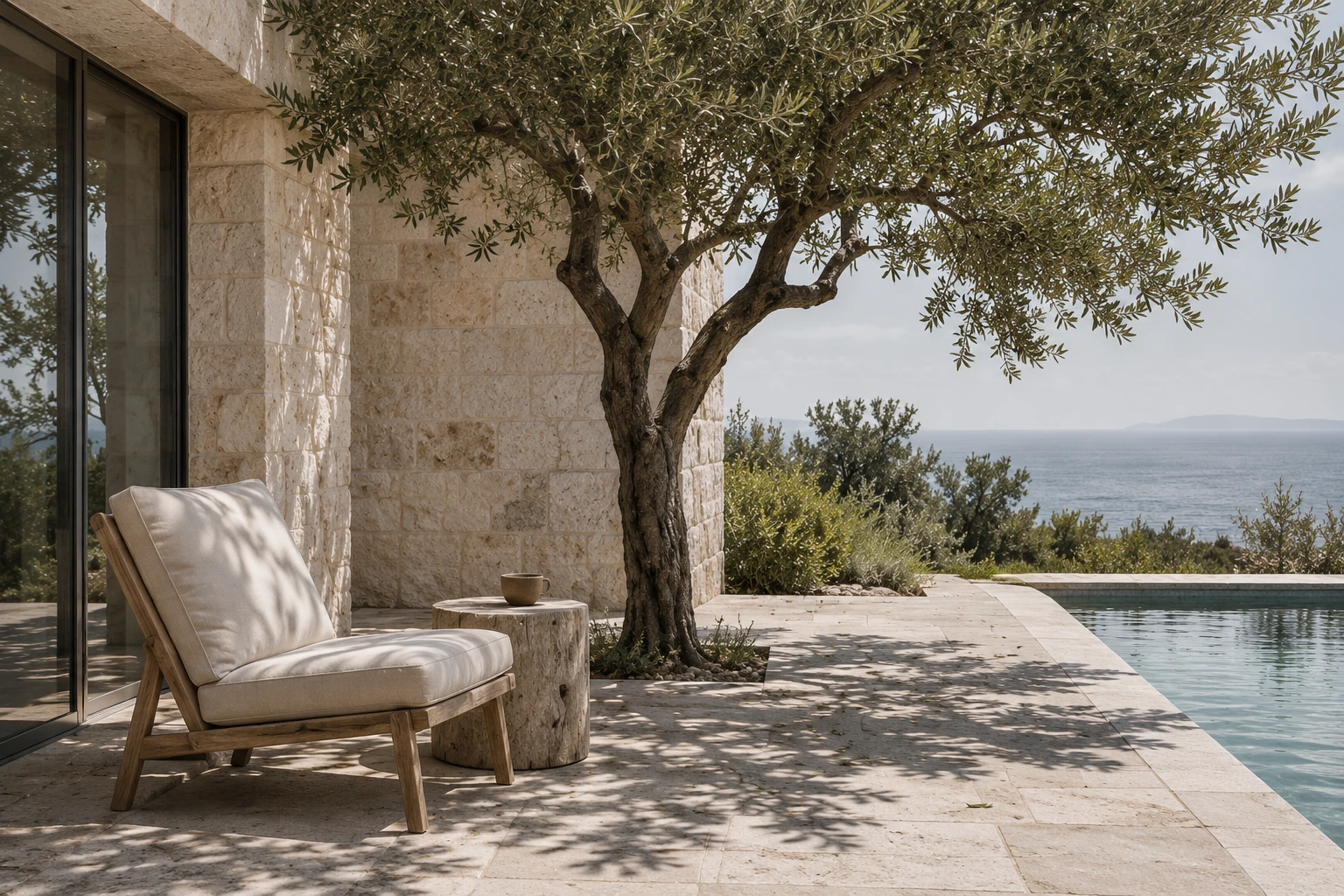
A large terrace is valuable only if it can be used at times that matter to the owner. Check shade, gusts, surface heating, drainage, privacy and nearby technical equipment. Ask whether a pergola or additional screens are permitted and how they would affect the façade. Outdoor space should be valued for its own usefulness, not automatically priced almost like the interior.
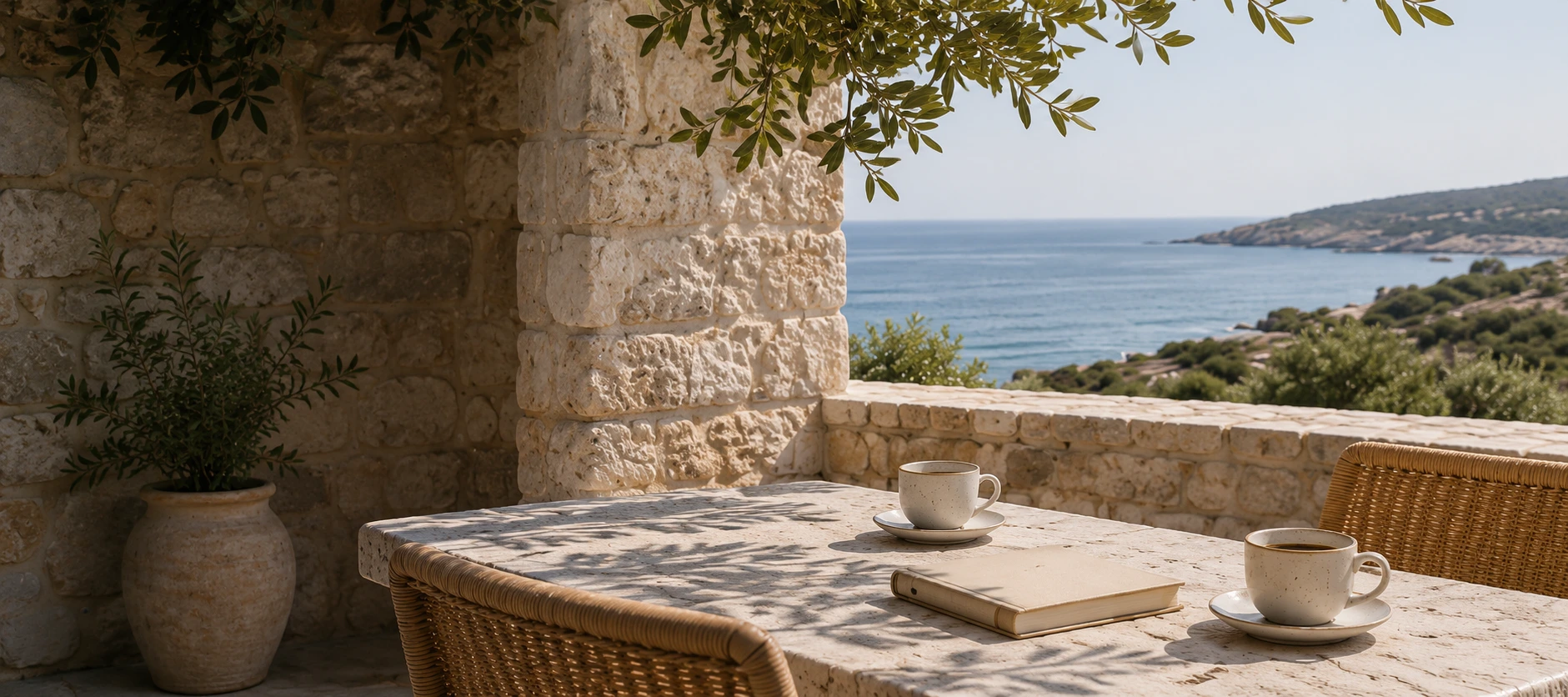
Sit where the table would be instead of judging the terrace only from the middle of the living room. Check whether an outdoor air-conditioning unit releases heat immediately beside the seating area. Look at the fixings of existing screens and the condition of railings. Do not test the strength of components yourself; visible damage needs assessment by someone appropriately qualified.
Consider orientation alongside the building’s construction
Compass direction is not enough without information about glazing, insulation, shading, ventilation and air-conditioning performance. Two similarly orientated apartments can have very different temperatures. Ask a specialist to assess the building envelope, windows and doors, thermal bridges and equipment, then compare this with bills or usage records where available.
Ask about equipment age, servicing history and controls in individual rooms. Compare bills with the number of residents and how long they were present. Both cooling and heating periods matter for a planned year-round home. Do not assume one exposure is universally best: bedrooms, terraces and workspaces may have different needs.
Check privacy now and after future development
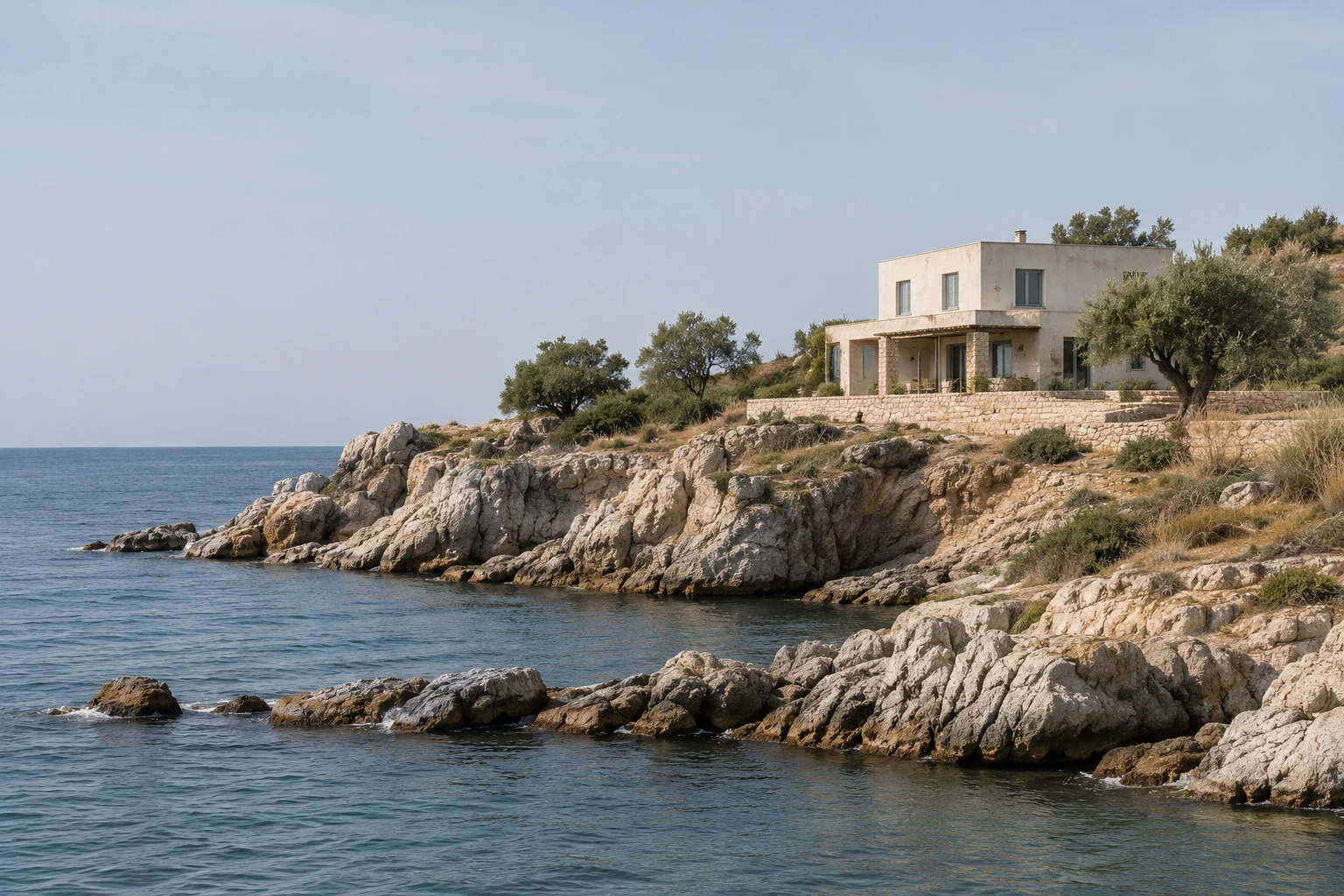
Light and views also depend on neighbouring plots. Check current land use, available plans and road locations. A balcony offering privacy today may change character when the next development phase is completed. Compare visualisations with documents, and discuss important assurances about views with your lawyer before signing.
An assurance of an unchanged view needs an explanation of its basis, scope and enforceability. Advertising wording alone does not control future decisions about neighbouring land. In the Republic of Cyprus, planning uncertainties can be addressed through the appropriate process with a designer and planning authorities. Identify the relevant documents separately for the north; do not transfer conclusions from the southern procedure.
Turn impressions into an exposure record
For each room, record the viewing time, orientation, shade, wind you can feel, noise and need for cooling. Add photographs from places where people will normally sit, not only from the corner showing the widest panorama. The record does not replace a technical inspection, but it lets you compare comfort that listing photographs cannot measure.
Finally, assign each problem a possible solution and a cost to check: a blind, insect screen, equipment service or furniture rearrangement. Separate easy improvements from features that are difficult to change, such as window orientation and the building’s position. If a solution needs consent or affects a common area, clarify it before buying.
This guide is for general information. Ask an independent professional qualified in the relevant jurisdiction to check the property’s circumstances and current legal and tax requirements.